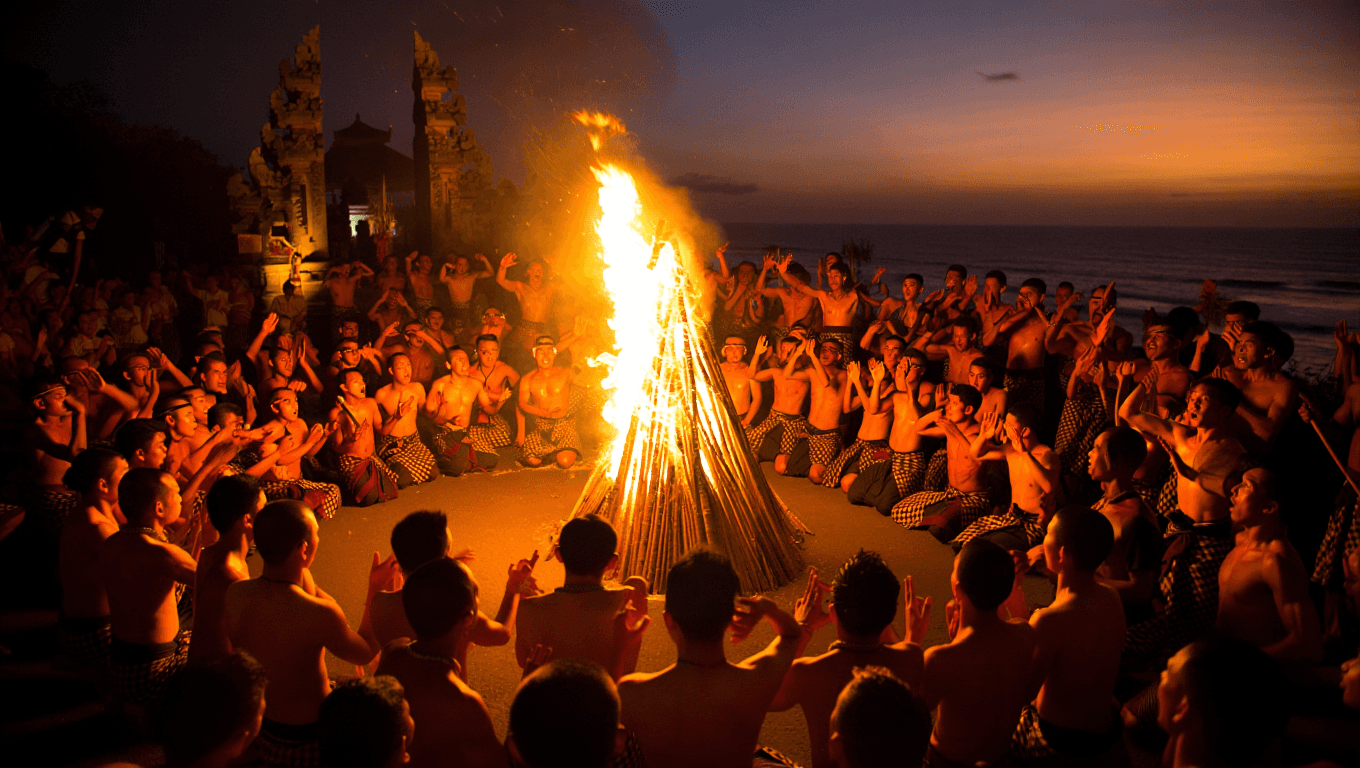
Uluwatu Temple is one of Bali’s most dramatic sacred sites, set on a high limestone cliff above the Indian Ocean in Pecatu, South Kuta. The Bali Provincial Tourism Office describes Uluwatu as a sea temple situated about 250 feet above the waves, known for sunset views, Balinese architecture, and daily Kecak dance performances. You can read the official tourism description here: Uluwatu Temple.
Most visitors come late in the day for the sunset and Kecak performance. That timing makes sense, especially in July when Bali is usually in the dry season and sunset conditions can be clear. But it also means crowds. If you arrive only minutes before sunset, expect queues, tight walking paths, and limited time to understand the temple before the performance begins.
Uluwatu is not just a scenic cliff walk. It is a sacred sea temple, and the inner temple areas are restricted. The official tourism description notes that only true Hindu followers can enter the smaller inner temple. Visitors should stay in permitted areas, follow signs, and avoid pushing toward restricted gates for photos. A closed sacred area is not a missed attraction. It is a boundary.
Dress properly even though the setting feels open and coastal. A sarong and sash are commonly required, and modest clothing is expected. If you are coming from the beach, change before you arrive. For basic clothing rules, see what to wear to temples in Bali. Uluwatu receives many tourists, but high visitor numbers do not make it less sacred.
Be careful with monkeys. Uluwatu is known for long-tailed macaques that may grab sunglasses, phones, hats, water bottles, or loose accessories. Keep items in a closed bag, remove dangling objects, and do not tease, feed, or touch the animals. If a monkey takes something, ask local staff for help instead of chasing it aggressively. This protects you, the animal, and other visitors.
The Kecak dance is a major part of the Uluwatu experience. It is often presented for visitors, but it draws from Balinese performance traditions and Hindu epic storytelling, especially the Ramayana. Arrive early, stay seated, and do not block other people with phones held high for long periods. A few photos are reasonable; turning the entire performance into a recording session is not.
Sunset photography also needs patience. Everyone wants the same view, so avoid climbing walls, leaning over barriers, or stepping into planted or restricted areas. The safest photos are often from designated viewpoints. The cliff edge is high, the paths can be crowded, and strong wind can make careless movement risky.
For a better visit, plan Uluwatu as a slow late-afternoon stop. Arrive before the main rush, walk the outer areas, secure your belongings, attend the Kecak performance if it fits your plan, and leave time for traffic afterward. South Bali roads can be slow after sunset.
Uluwatu is powerful because nature, performance, and sacred architecture meet in one place. Treat it only as a sunset venue and you miss the point. Treat it as a temple first, and the sunset becomes part of a deeper visit rather than the only reason to go.